
 “Good night, sleep tight, don’t let the Bed Bugs bite.”
We’ve all heard it, maybe even said it ourselves while tucking someone in. Today, it sounds like a sweet little rhyme, the kind of thing that belongs in a children’s storybook. But this phrase wasn’t invented for bedtime poetry — it comes from a very real part of everyday life. It’s one of those sayings that carries history, practical advice, and a subtle warning all at once.
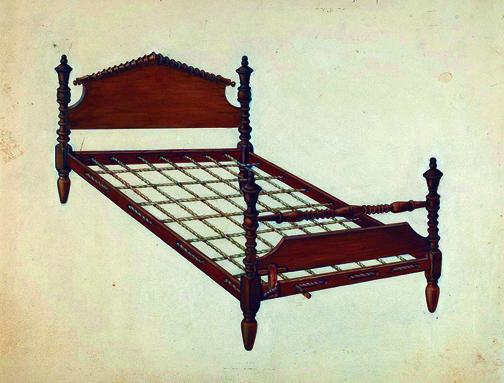 A traditional rope bed where the ropes were tightened for a firmer mattress.
The first part, *sleep tight*, goes back hundreds of years. In the days before box springs and memory foam, mattresses were held up by ropes strung across a wooden frame. If the ropes sagged, your night’s sleep sagged too. Families would tighten the ropes each evening to make the bed firmer. Wishing someone to “sleep tight” was really wishing them a restful night on a well-strung bed, a small but important part of a comfortable home.
The second half of the phrase — *don’t let the Bed Bugs bite* — wasn’t just a joke. Bed Bugs were once so common that people worked hard every night to keep them at bay. Colonial Americans boiled their bed linens, scattered herbs, and even put bed legs in pans of oil so the insects couldn’t climb up. Travelers carried special powders to dust their mattresses. Wealthy or poor, no one was safe from the tiny nighttime nibblers. These small pests were a persistent annoyance, affecting both comfort and peace of mind.
Bed Bugs have been affecting humans for centuries. Archaeologists have found evidence of them in ancient civilizations, and they were present throughout Europe long before the modern era. By the time the United States was settled, they were already part of daily life — and part of bedtime worries. Travelers and settlers had to remain vigilant, or risk an itchy night.
Fast forward a few centuries, and things have changed. With cleaner living conditions, better mattresses, and modern pest control, most of us don’t have to worry about Bed Bugs the way our ancestors did. But they haven’t disappeared completely. Cities and even smaller towns still see occasional cases. Bed Bugs don’t spread disease, but they do cause uncomfortable, sleepless nights. Knowing how to prevent them and how to handle an infestation can make all the difference.
And that’s where the old rhyme finds new meaning. When parents jokingly tell their kids “don’t let the Bed Bugs bite,” they’re echoing a worry that has followed humans for centuries. It’s a reminder that some of the smallest creatures can have a big impact on our daily lives, and that vigilance and care around our sleeping spaces have always mattered.
So the next time you tuck in for the night and say “sleep tight,” remember that the phrase carries more history than you might think. One part rope beds, one part tiny pests, and one part wish for a peaceful night. Thanks to modern pest control, most of us can take that advice literally and rest easy, knowing the Bed Bugs won’t bite.


Facebook Comments