
A Farm Kid At the White House
 Each spring, farm broadcasters from across the nation gathered in Washington, D.C., for our annual meeting. For those covering agriculture policy, the schedule was equal parts education and exhaustion. Days began early, ended late, filled with briefings from commodity leaders, USDA officials, and members of Congress whose decisions shaped the future of rural America.
That particular trip felt a little different because my wife, Beth, came along. It was her first time in Washington, and seeing the monuments and everything else the capital city offers through fresh eyes was a reminder of how remarkable the city really is.
On the final morning, our group gathered in the Mike Mansfield Room on the Senate side of the Capitol. Senator Bob Dole spoke beneath a portrait of the longtime Majority Leader from Montana. At the time, the portrait on the wall seemed like just another piece of Capitol Hill history.
Our group of broadcasters was fortunate to receive an invitation to the White House for an event on Permanent Normal Trade Relations with China. The expectation was simple enough. Visitors like us usually end up seated somewhere near the back or tucked away in a press gallery. Instead, an usher walked us into the ballroom and pointed to seats in the third row.
Directly in front of us sat former Secretary of State Alexander Haig. Around us were diplomats, generals, and leaders whose names filled history books for years. Decades of American leadership were gathered in one room.
When the program began, Secretary of State Madeleine Albright welcomed the audience and spoke about the rare bipartisan unity behind the issue. Then came a succession of voices who shaped American foreign policy for decades. Henry Kissinger reflected on the long arc of U.S. relations with China, while James Baker spoke about issues that rise above partisan politics. Presidents Gerald Ford and Jimmy Carter each offered their own perspective on engagement with China and the challenges involved.
Then President Bill Clinton stepped to the podium. He paused and scanned the room before beginning his remarks, saying it was humbling to look across a sea of faces through which the last fifty years of American history had unfolded. At one point he singled out Ambassador and former Senate Majority Leader Mike Mansfield as perhaps the senior statesman present.
Beth and I looked at each other in disbelief. Just hours earlier we had been sitting beneath Mansfield’s portrait at the Capitol, assuming he was long gone. Now he was standing across the room, another living piece of history.
After the speeches came an announcement none of us expected. There would be a receiving line to meet the President and former Presidents.
When our names were called, Beth stepped forward first. I followed, repeating the line I had rehearsed in my head.
“It’s a pleasure to be here today, Mr. President.”
He didn’t let go of my hand. Instead, he looked directly at me and asked where I was from.
“St. Joseph, Missouri.”
“That’s just north of Kansas City,” he said immediately, mentioning barbecue stops he had made. Then he asked what had brought me to the White House. I explained I was a farm broadcaster covering the event. He encouraged me to share the importance of the issue with my listeners and thanked me for being there.
The President of the United States had just thanked a farm broadcaster from northwest Missouri. He never broke eye contact. In a room filled with powerful people, he made me feel like I mattered.
We went on to greet Presidents Carter and Ford, and just like that, at not quite thirty years old, I had shaken hands with three Presidents of the United States in a single afternoon.
When the reception ended, Beth and I walked through the massive doors and back into the regular pace of life. I turned for one last look at the wrought iron chandelier hanging above the doorway we had just passed through, not quite ready to let the moment end.
Part of me wondered how a farm kid from little Hopkins, Missouri, and the woman seeing Washington for the first time had ended up inside the White House among presidents and world leaders.
We had gone to Washington for a policy meeting, but we came home with a lesson about leadership that had nothing to do with politics.
Sometimes the most powerful thing a person can do is take a moment to make someone else feel seen.
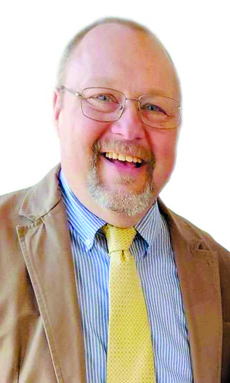
Tom Brand writes the weekly A Little Bit Like Home column about life, family, faith, and the occasional moment when a farm kid from Missouri finds himself standing in the middle of history. Find more at ALittleBitLikeHome.com.


Facebook Comments