

 When a Tick Bite Changes a Life
Most pest control calls involve nuisance pests around homes. Ants, Wasps, and Spiders usually top the list of complaints. These pests create frustration, but they rarely change someone’s life. Most service visits focus on treatments, schedules, and prevention.
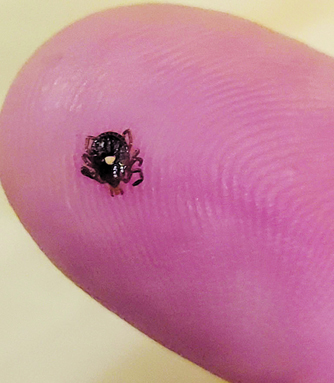
A Lone Star Tick, identified by the white spot on its back. Photo shared by Rose Rector on the El Dorado Springs Family Chat Facebook group and used with permission.
Every once in a while, though, a conversation reminds me pests can affect people differently. That happened this week during a service visit. What started as a normal appointment quickly turned into a memorable discussion. It stayed with me after I left.
While we were talking outside, he mentioned something I had only heard about before. He had recently been diagnosed with Alpha-gal syndrome after a Tick bite. The diagnosis followed months of confusing symptoms. By then, his daily routine had already started changing.
Until that point, red meat had always been a normal part of life. Beef, pork, and venison were regular foods at home and gatherings. Suddenly those meals were no longer simple choices. Even eating with others required more thought.
That is what makes this issue so striking to me. A Tick is tiny, easy to overlook, and often dismissed. Yet one bite can affect meals, shopping, travel, and social events. That is a major change from something so small.
Alpha-gal syndrome is most often linked to bites from the Lone Star Tick. This Tick species is common throughout Missouri and much of the Midwest. Many people encounter them while mowing, hiking, hunting, fishing, or doing yard work. Plenty never realize the risk then.
When the bite occurs, the body may react to a sugar molecule called alpha-gal. That molecule is found in many mammal based foods and products. The immune system may then react after those foods are eaten. For some people, that means trouble with favorite foods.
One unusual part of this condition is the delayed reaction. Symptoms may appear several hours after eating instead of right away. That delay can make the cause difficult to identify. People may suspect something else before getting clear answers.
Symptoms can vary widely from person to person. Some report hives, nausea, stomach pain, itching, or unusual fatigue. Others experience swelling, dizziness, or more serious allergic reactions. In severe cases, breathing problems and anaphylaxis can occur. Situations like that require immediate medical attention.
In rural Missouri, outdoor exposure to Ticks is common. Tall grass, wooded edges, brushy fence lines, and wildlife trails create ideal environments. Deer movement often increases Tick activity near homes and properties. Pets can also bring them closer without much warning.
From a pest control perspective, awareness matters just as much as treatment. Use repellent, avoid heavy vegetation, and check after outdoor activity. Keep grass cut, reduce brush, and pay attention to pets. Small prevention steps can lower the chances of a bad encounter.
That conversation this week served as a reminder. Sometimes the smallest pests create the biggest changes in a person’s life. This column is not meant to alarm people. It is meant to encourage awareness while these Ticks are out and very active right now.


Facebook Comments