
 The Nightmare Nobody Sees
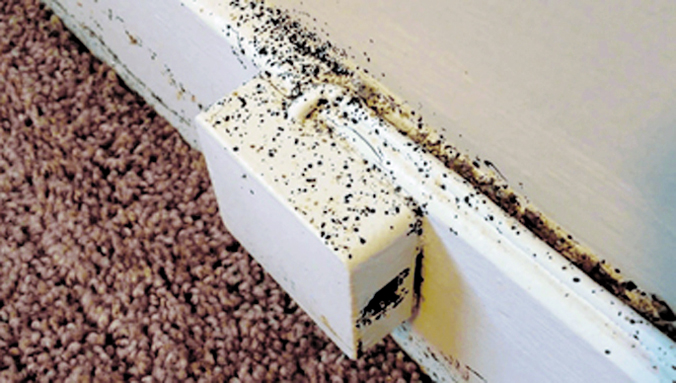 Bed Bugs commonly hide around baseboards, furniture, outlets, and other protected areas inside homes, often remaining unnoticed until infestations become severe.
Most homeowners never expect Bed Bugs invading bedrooms without warning signs appearing beforehand. I often meet exhausted families struggling with embarrassment and interrupted sleep. Hidden activity spreads farther than anyone originally expected throughout homes.
The first clues often appear harmless during stages of developing infestations indoors. Tiny stains, unexplained bites, and shed skins sometimes appear around beds or furniture. Many homeowners mistake those warning signs for allergies, mosquitoes, or skin irritation initially.
Bed Bugs are not connected to poor housekeeping or dirty living conditions inside homes. Clean houses, hotels, apartments, offices and schools regularly experience Bed Bug infestations nationwide. Exposure matters more than cleanliness whenever Bed Bugs begin spreading between different environments.
Travel creates many infestations throughout Missouri during vacation seasons and overnight trips. Luggage, blankets, backpacks, purses, clothing, and furniture easily transport hidden Bed Bugs between locations. Families frequently bring them home unknowingly after visiting hotels, relatives, or crowded public spaces.
Once inside homes, Bed Bugs search for protected hiding places near sleeping people during nighttime hours. Mattresses, furniture seams, headboards, baseboards, electrical outlets, and clutter provide excellent hiding opportunities. Their ability to remain hidden allows populations to grow steadily before homeowners recognize serious warning signs.
Young Bed Bugs create another challenge because immature insects remain difficult spotting during inspections indoors. Newly hatched insects appear pale and nearly transparent before feeding around sleeping areas regularly. Early activity often escapes attention because immature Bed Bugs remain carefully hidden during daylight hours.
Bed Bugs survive much longer than most homeowners expect during active infestations inside structures. Adult Bed Bugs survive months without feeding under favorable environmental conditions inside protected areas. That survival ability makes quick treatment extremely important whenever infestations become established inside homes.
Large infestations often create emotional stress for families already struggling with repeated nighttime pest activity. Sleep disruption, frustration, embarrassment, anxiety, and exhaustion commonly follow severe infestations inside affected homes. Many families describe Bed Bugs becoming emotionally draining long before treatments finally succeed completely.
Professional inspections remain extremely important because Bed Bugs hide within surprisingly small protected locations indoors. Sprays and incomplete treatments frequently miss hidden populations remaining inside walls or furniture. Thorough inspections help identify infestation levels before activity spreads farther throughout nearby living spaces.
Proper preparation greatly improves treatment success during serious Bed Bug infestations inside affected homes. Laundering fabrics, reducing clutter, vacuuming carefully, and following instructions improve treatment results dramatically. Homeowners and professionals usually achieve stronger outcomes whenever both sides cooperate carefully during treatments.
Early action almost always creates better treatment outcomes before infestations become severe throughout homes. Waiting too long frequently allows Bed Bugs spreading farther throughout furniture, walls, and surrounding belongings. Quick professional attention usually reduces stress, treatment costs, and frustration for affected homeowners.
Bed Bugs remain among the most stressful pests homeowners experience inside modern homes across America today. Education, inspections, preparation, and timely professional treatment remain extremely important during successful elimination efforts. Recognizing warning signs early usually helps families avoid larger infestations and prolonged frustration later.


Facebook Comments